'The QuietUde of Normality'

Art That Does Not Shout
I enjoy traditional, timeless art and architectural design that does not shout, demand attention or insist upon a particular meaning.
These quiet influences help form who we are, often without us realising. Familiar artefacts, products and everyday objects become the unnoticed props and vessels of our lives.
There is a similar quietness in the countryside: empty churches, silent hills, open coastlines and apparently meaningless forests. These places possess distinct personalities without needing to explain themselves. They accommodate us while allowing us the freedom to experience them in our own way.
Could there be an art or architectural design of less? Something that does not try to “say” anything, but instead gives us the freedom to inhabit, interpret and engage with it as we choose?

The Value of Everyday Objects
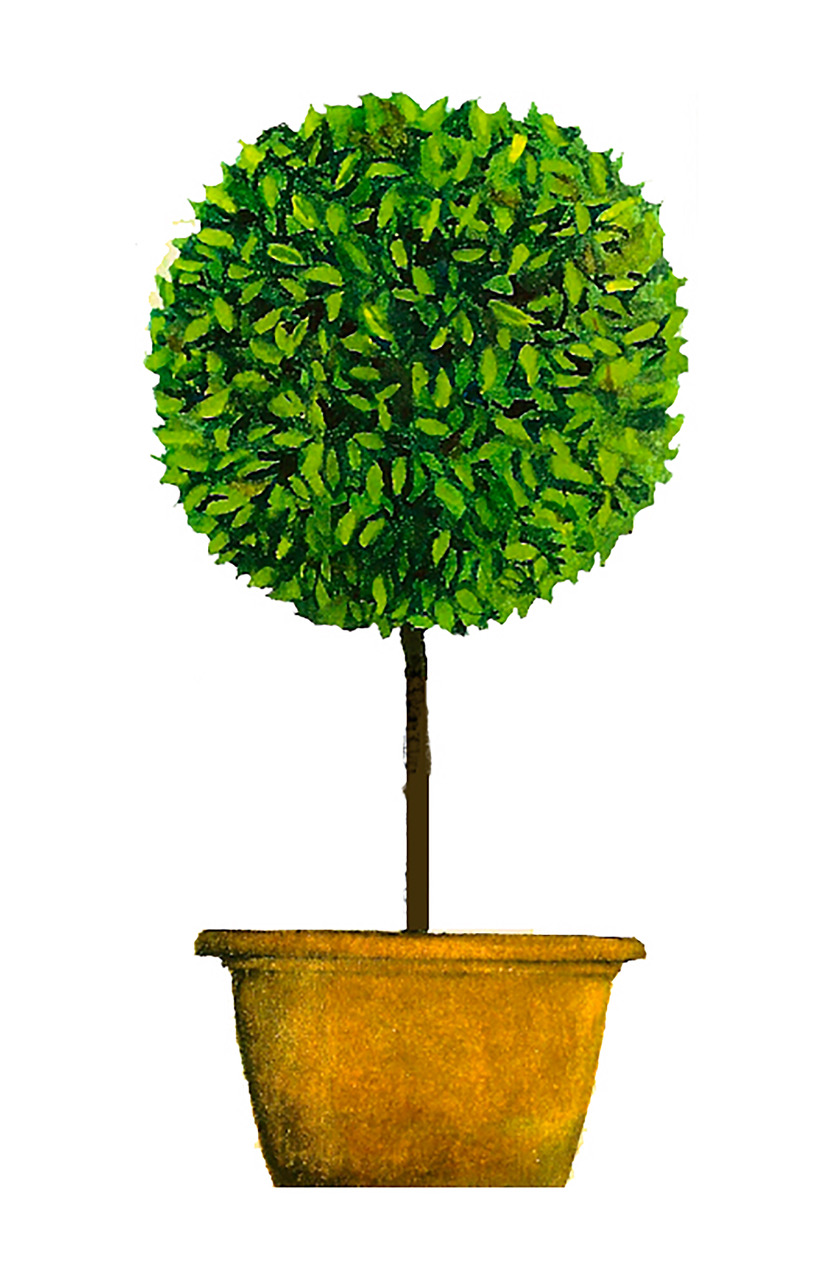
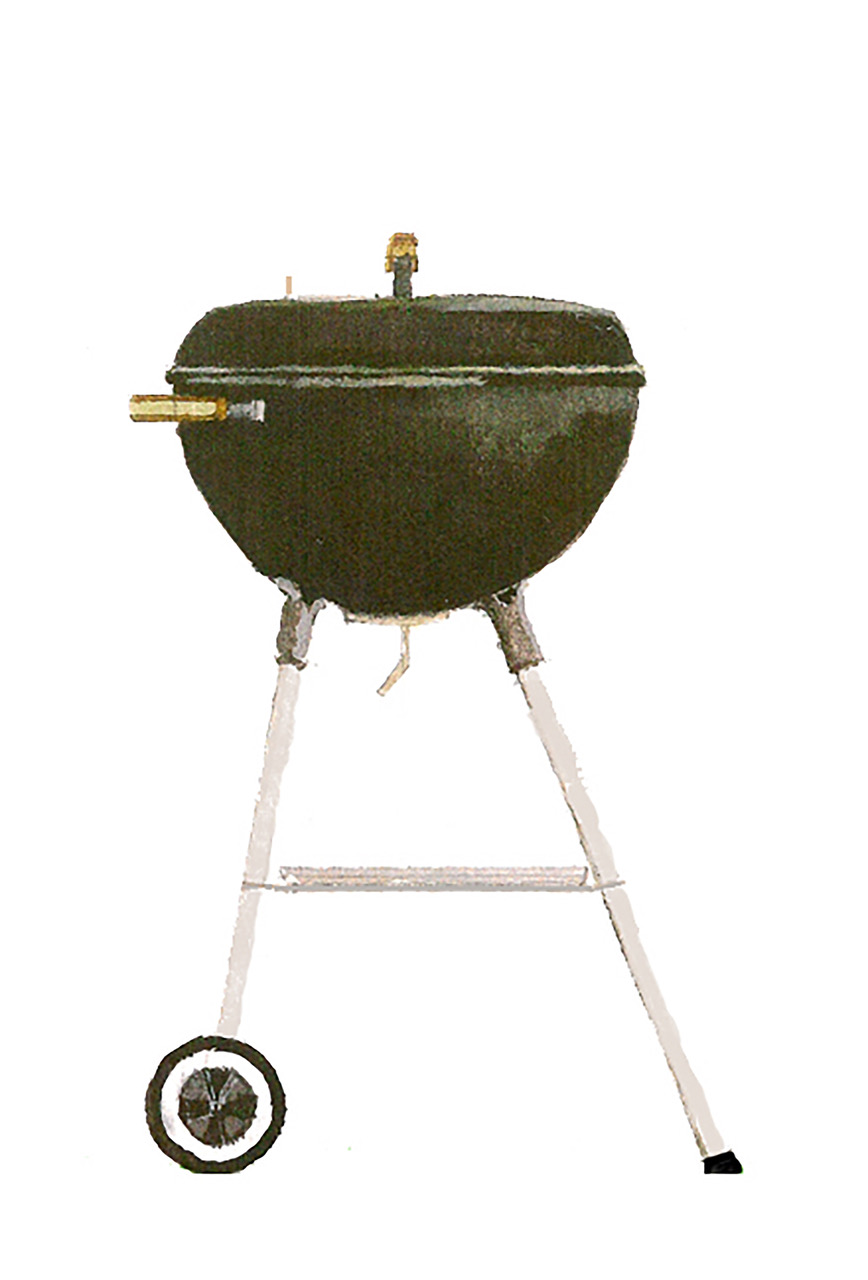
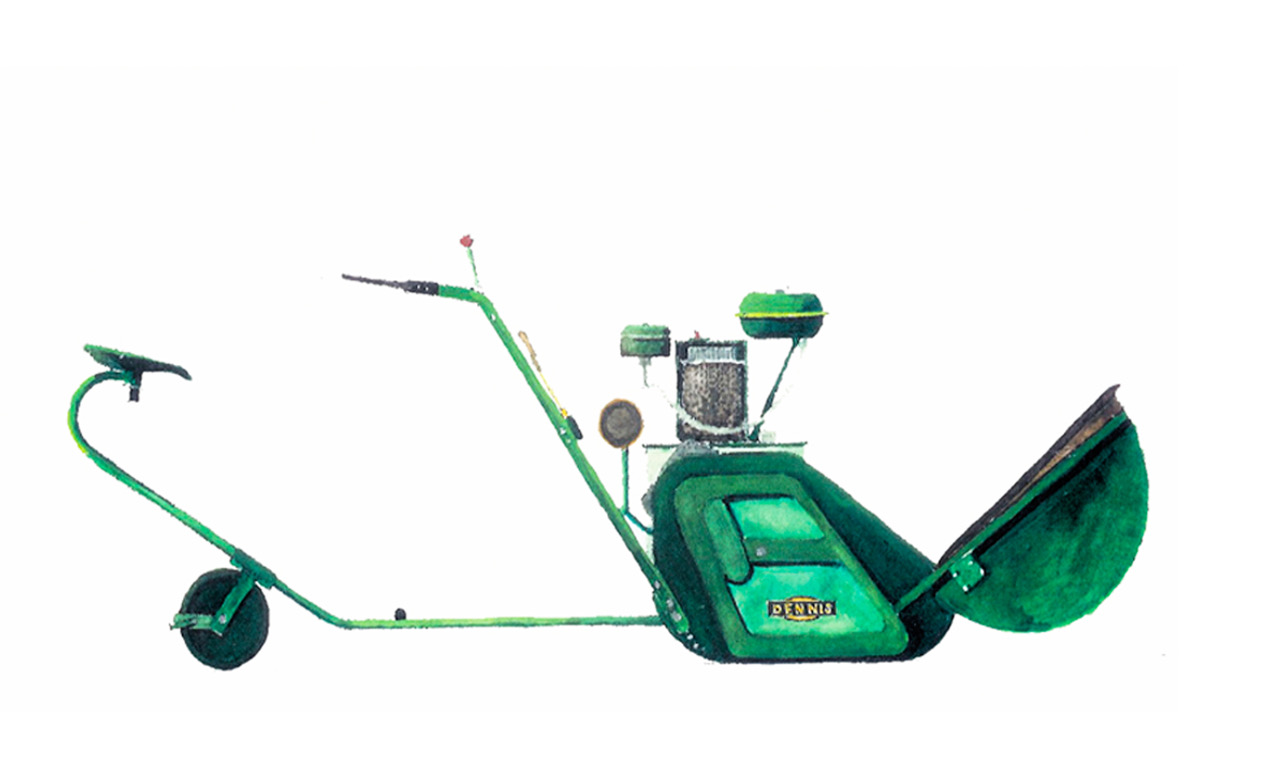
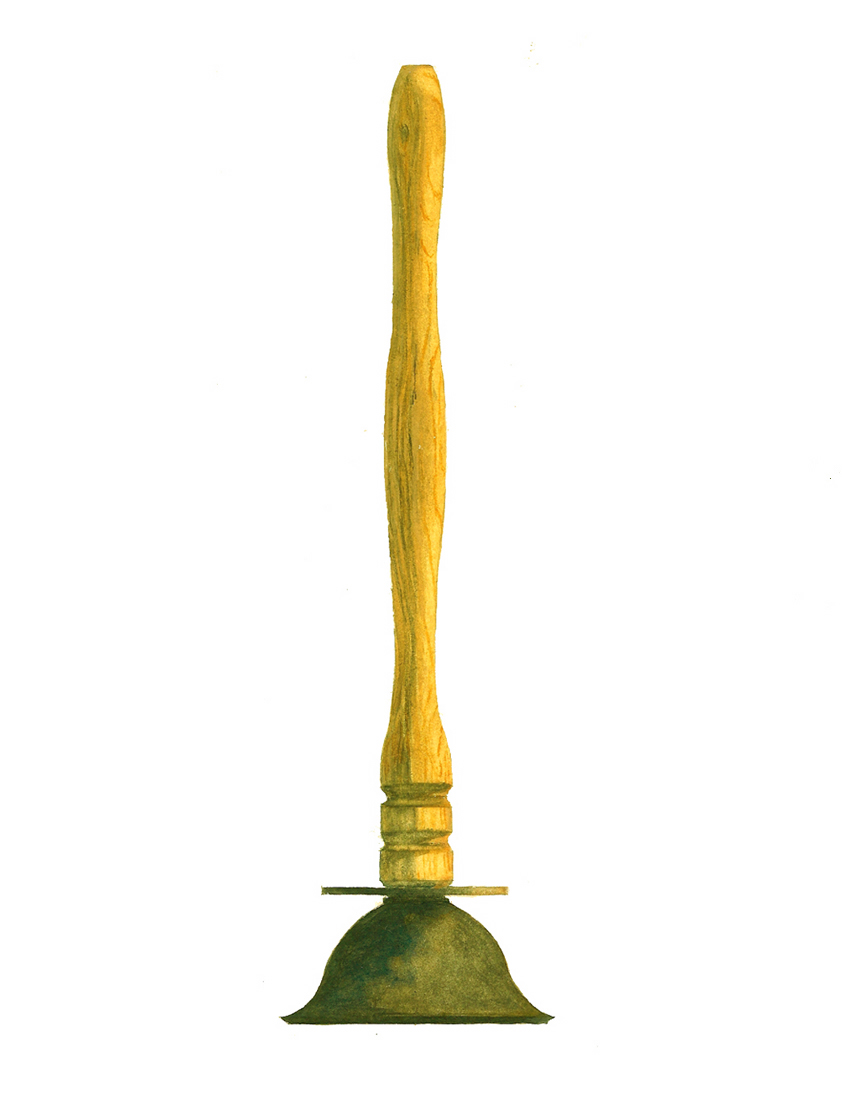
Everyday and seemingly mundane objects allow us to interact freely because they are not burdened by obvious cultural, intellectual or theoretical constraints.
Simple artworks and spaces can feel authentic yet neutral. They may offer us an opportunity to rediscover ordinary life in an open, innocent and even naïve way.
Many artists and designers are searching for something more engaging than the contemporary avant-garde. Returning to traditional objects, local experience and the familiar pleasures of everyday life can offer something that feels both old and new.
Myth and folklore can also help create accessible spaces and artworks. Their power comes from shared stories, local experiences and ideas that connect with us at a deeper, often subliminal level.

Finding Delight in Normality
Creative visions frequently present the exceptional, as though ordinary life is something from which we must escape.
I am more interested in reality-based challenges and designing for everyday people with minimal theoretical intrusion. Reality and normality can become sources of delight, offering ideas that apply to modern life more meaningfully than the constant visual noise surrounding us.
We live in a communications-dominated age. Advertising, media, symbols, events, music and conversation bombard us with messages, yet this abundance of meaning can leave us feeling that very little makes sense.
Despite having access to comfort, technology and material possessions, many people continue to search for meaning and value. Perhaps we are becoming tired of that search and are beginning to rediscover the soothing, timeless pleasures already around us.

Less Is Often Too Much
Quiet experiences can be subtle, temporary and free from heavy concepts. Within this quietude, we may be able to become still and experience ourselves without striving to find every answer.
Art and space can support moments of prayer, reflection and mindfulness by being reduced to an almost monastic essence.
Yet minimalism is not always truly minimal. It can require enormous cultural effort and theatrical control. It can become loaded with meaning and begin to shout.
Less is often too much. A carefully constructed emptiness may contain more activity and intention than the apparently ordinary object it replaces.

Spaces We Create Ourselves
Could a simple and authentic artwork engage its viewer while still allowing them to be themselves?
Perhaps we create spaces through the act of inhabiting and observing them. A quieter environment can almost disappear, allowing our imaginations and experiences to extend into it.
Could there be an art or architectural design of meaninglessness that does not tell us what to think, but simply allows us to act freely?
Forests and areas of countryside can feel free from cultural and programmed constraints. Their apparent neutrality offers a kind of void to our busy minds, which may be why some people find wilderness unsettling.
Quiet people can create a similar experience. By listening rather than constantly speaking, they give others the space to exist. Could this same quiet exchange happen through art, painting, planning and design?

Vessels and Materials
As we study the universe beyond ourselves, we should not forget the force that exists within us.
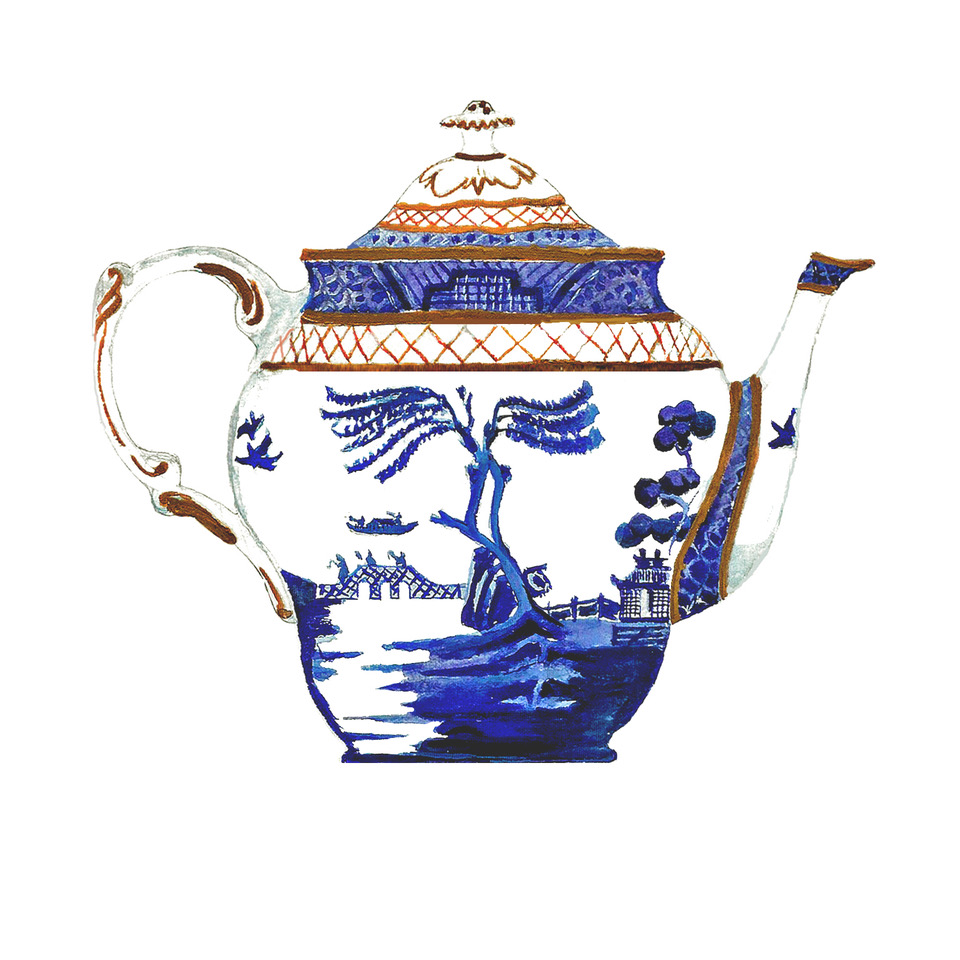
We stand upon and are made from the earth. Our bodies are vessels, surrounded by other vessels: bricks contain our homes and possessions, clothes contain our bodies, glass and clay hold liquids, and paper and machines carry our thoughts and actions.
We continually reshape, move and reuse the earth’s materials. Perhaps recognising that we have “feet of clay” can help us reconnect with the simplicity of those materials and the human motivation that brings them to life.
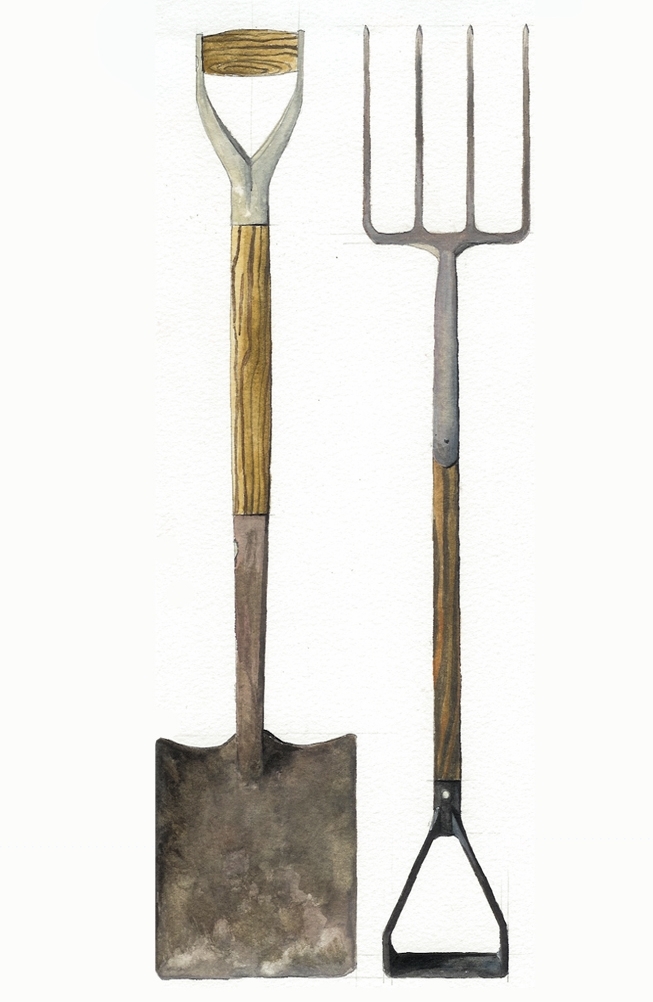
When you next see an ordinary object, tool or artefact, consider the person who made it. Behind its creation may be something more than commercial need: curiosity, faith, purpose and the same creative impulse that has inspired makers throughout human history.

An Appreciation of Normality
What we may need today is a greater appreciation of normality: art that does not try to express or explain everything.
Could something quiet, simple and accommodating help us step away from constant interpretation and rediscover a sense of stillness?
Perhaps within the quietude of normality, we can stop searching for meaning and simply experience the world around us.

What, therefore, could an art or architecture that has subliminal meaning, unseen influence, that was simple yet authentic, allow us to be or do? Could it function psychologically as a space that both engaged the viewer or inhabitants, and left them to be free to be themselves ‐ on their own terms with their own imaginations?
Is it possible that we, the inhabitant and viewer, actually ‘create’ spaces ourselves when we are in them or looking at them? Could a space’s more silent existence make it disappear, and therefore allow us to extend ourselves into it, and engage more fully with the experience of being in space by not caring what it means ‐ by being mentally quiet and drawn within an artwork or space? I wonder if there could be an architecture or art of meaninglessness, that doesn’t ‘say’ anything ‐ that simply allows us to act freely, as naive youth once did.

The forest and much of the countryside is generally speaking neutral, free of cultural or programmatic constraints. It has no obvious signs ‐ at least not to the modern or urban man. Perhaps this is why it frightens some people. Its very normality offers a sort of void to our meddlesome minds.
Some people in conversation will stay quiet and listen, and this allows you to engage easily with them. They ‐ however dumb or quiet ‐ seem to offer you the chance to exist through some notion of consensual shared experience of quietness for the moment. I wonder could this communing happen with architecture, planning and painting.

What we need these days is an appreciation of normality -‐ which does not try to express, or mean, anything. Could there be an art that is meaninglessly quiet, simple, accommodating, and yet normal too? Could normality offer us a way to lose another layer of meaning and help us to find quietude?

Now we are starting to study the cosmos ‘outside’ with quantum mechanical tools, let’s not forget that there is and has always been a motive force which dwells within us. With our feet of clay we stand on and in the Earth. We are vessels containing, for some, simply blood, guts and thoughts, for others the Holy Spirit and a motivating force. Bricks contain our objects and furniture, clothes our bodies, glass and clay our liquids, metals and steel our heavier materials, mechanisms, paper and switches our thoughts and actions. In short, we vessels are surrounded by other vessels of containment, and together we recreate more containment in turn for a motive force which stimulates and animates the seemingly dead matter of earth.

We humans who make and recirculate, transmute and animate Earth’s matter allow a relocation, distribution and sharing of clay via the motive life force. Perhaps only when we have achieved the simplicity to understand that we have feet of clay can we realign ourselves with the materials of the Earth and this motive spirit, which drives us to work on it in its base simplicity.

A motive spirit has always surrounded us. When you next see an object, tool or artefact, consider that someone made this with a motivation not simply of greed and need, but a humbler, basic, and more powerful force that has inspired inventors and makers since the cave dweller. The steam engine, the rocket, the printing press, the television and the computer were invented by people of faith. Even Darwin was a committed Christian, who saw the motive force working on the recontainment of ourselves and this spirit within more evolved bodies.